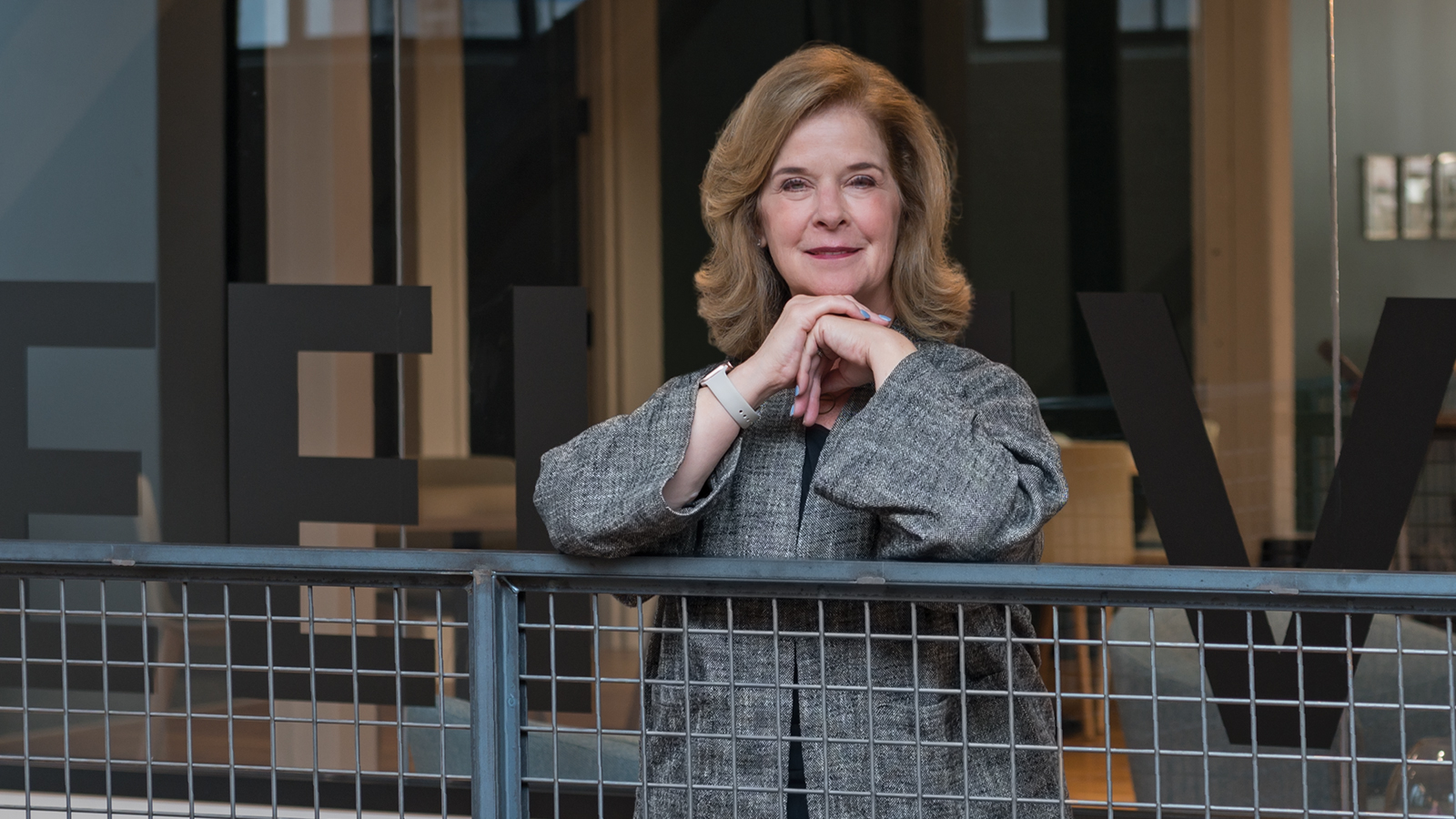
When Super Bowl LII was played at U.S. Bank Stadium in February 2018, Alex Tittle didn’t play a down on the field, but he had more than three-years of impact on the experience.
Tittle was vice president of the Business Connect Program and corporate affairs for the Minnesota Super Bowl Host Committee and he spent the bulk of his time educating small businesses on how to do business with the NFL and its subsidiaries in preparation for and, particularly, on Super Bowl weekend.
“It was fun,” he says. “It was probably one of the most rewarding jobs I’ve ever had. It was one of those once-in-a-lifetime opportunities to take you away from the act of doing work and actually getting things done.”
Prior to that, he worked as equity director for the Minnesota Sports Facilities Authority, where he taught underutilized minority- and women-owned companies to compete for business in the design, construction and operation of U.S. Bank Stadium.
He’s widely credited for helping the authority award nearly 30 percent of the $1.1 billion project to those firms.
Now a diversity consultant, Tittle has some advice for small, underrepresented companies looking to get work: There’s no one cookie cutter solution that will make everything better, but one thing that always helps is getting out in the community and meeting people.
“The one thing for certain is that relationships are key,” Tittle says, adding that it’s not enough to just meet someone. “If they are going to build a relationship and the trust that comes with it, if they are going to hire your firm to work with them, you need to do your part and stay in touch. “It’s a two-way street.”
As the small business trying to work with a larger firm, it might be appropriate to take it a step further and ask for some hands-on assistance on a recurring schedule.
“I’m going to try to learn as much as I can from you and I’m going to ask, ‘Would you mind mentoring me?’” Tittle says, adding that this is just as much about building a personal relationship as it is about work. “We call this the trust building exercise. We’re not necessarily going to talk about the business. I want to know about your home life. I want to teach you about my home life and where I come from so we can start to develop some cultural understanding.”
It’s also good for both small and large businesses to know about and participate in business development associations and other organizations, such as ethnic chambers of commerce, veteran-related business or women’s business organizations.
Locally, the Metropolitan Economic Development Association is another good organization with financing options and other resources to tap into. Several banks and other organizations work hard to put teams together.
“There are banking institutions that have business development entities and they host activities, summits and events,” Tittle says. “They encourage large and small businesses to be a part of it, to help synergize and develop relationships.”
But be proactive and go to work building your business. “You’re not going to just show up and put your hand out,” he says, adding that if you don’t, someone else will. “Small businesses don’t need a handout. They’re smart. The bedrock of this country. They know how to do the job. They just need the opportunity.”
“They’re going to make or break you as a business, if you are not good at socially engaging, networking and maintaining relationships.”